

TypeScript Optional & Default Parameters Explained (With Examples)

TypeScript optional parameters — and their close sibling, default parameters — are the two tools that solve a problem every test automation engineer hits by their third month writing Playwright tests in TypeScript: you’ve got…
Read More
TypeScript Generics: Definition, Syntax & Examples (Beginner-Friendly Guide)

If you have spent any real time writing TypeScript, you have probably run into a moment where you wrote a function, it worked perfectly for one data type, and then you needed the exact same logic for a different data type. Maybe you copy-pasted the…
Read More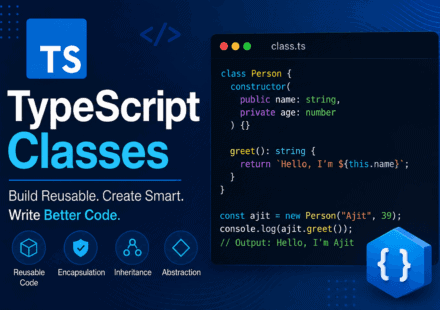
TypeScript Classes: Definition, Syntax & Examples (Constructors, Access Modifiers)
If you have spent any real time writing TypeScript, you already know that these classes are not some optional decoration bolted onto the language. They are one of the primary ways you organize behavior, model real-world entities, and — if you come from a…
Read More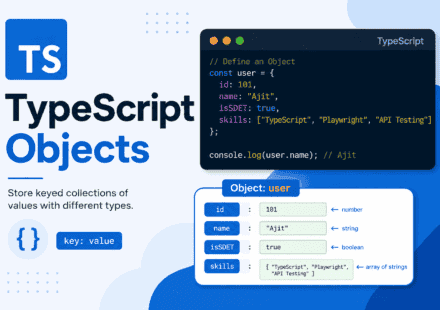
TypeScript Objects: Typing, Optional Properties & Read-only Fields
If you have spent any real time writing TypeScript, you already know that TypeScript objects are where most of the interesting typing decisions happen. Functions get a lot of attention in tutorials, and generics get all the “look how…
Read More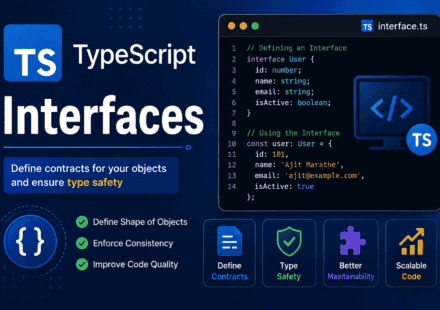
TypeScript Interfaces: Definition, Syntax & Examples — The Complete 2026 Guide
Introduction: If you have spent any amount of time writing modern JavaScript applications, you have almost certainly run into TypeScript. And if you have written TypeScript, you have almost certainly run into the humble but powerful interface. TypeScript…
Read More
TypeScript Map: Definition, Syntax & Use Cases vs Objects
The TypeScript Map is one of those built-in types that a lot of test automation engineers know exists but rarely reach for on instinct. If you’ve spent any real time writing Playwright or Selenium tests in TypeScript, you’ve probably reached…
Read More
TypeScript Arrays: Definition, Syntax & Methods (With Examples)
If you have spent any real time writing TypeScript, you already know arrays. You have declared them, pushed to them, mapped over them, and probably fought the compiler at least once when it refused to let you push a string into what it decided…
Read More